Introduction
Subaru has quietly initiated one of the most notable strategic shifts in the modern automotive industry. Rather than accelerating toward full electrification, the brand is reducing its short-term electric vehicle investment and redirecting resources toward next-generation boxer engines and advanced hybrid technology.
This move reflects changing global market conditions and evolving consumer demand, particularly in Subaru’s key regions.
Why Subaru Is Rethinking Its EV Strategy
In recent years, many manufacturers have aggressively expanded electric vehicle programs. However, slowing global EV demand, rising production costs, and increasing trade-related tariffs have prompted several brands to reassess their timelines.
Subaru CEO Atsushi Osaki confirmed that large-scale EV expansion will be delayed until market conditions stabilize, allowing the company to remain flexible while maintaining profitability.
Continued Collaboration with Toyota on EVs
Despite the strategic adjustment, Subaru is not abandoning electrification entirely. The company will still move forward with four battery-electric SUVs developed jointly with Toyota, scheduled to launch by 2026.
However, several in-house electric vehicle projects originally planned for later in the decade have now been placed on hold, freeing up investment for other powertrain technologies.
The Return of the Boxer Engine—With Hybrid Support
At the center of Subaru’s revised strategy is the development of a new e-BOXER hybrid system, which pairs the brand’s iconic flat-four boxer engine with a more powerful and efficient hybrid setup.
This next-generation system aims to deliver improved fuel efficiency, lower emissions, and stronger performance—while preserving the mechanical character Subaru drivers value.
What This Means for Future Subaru Models
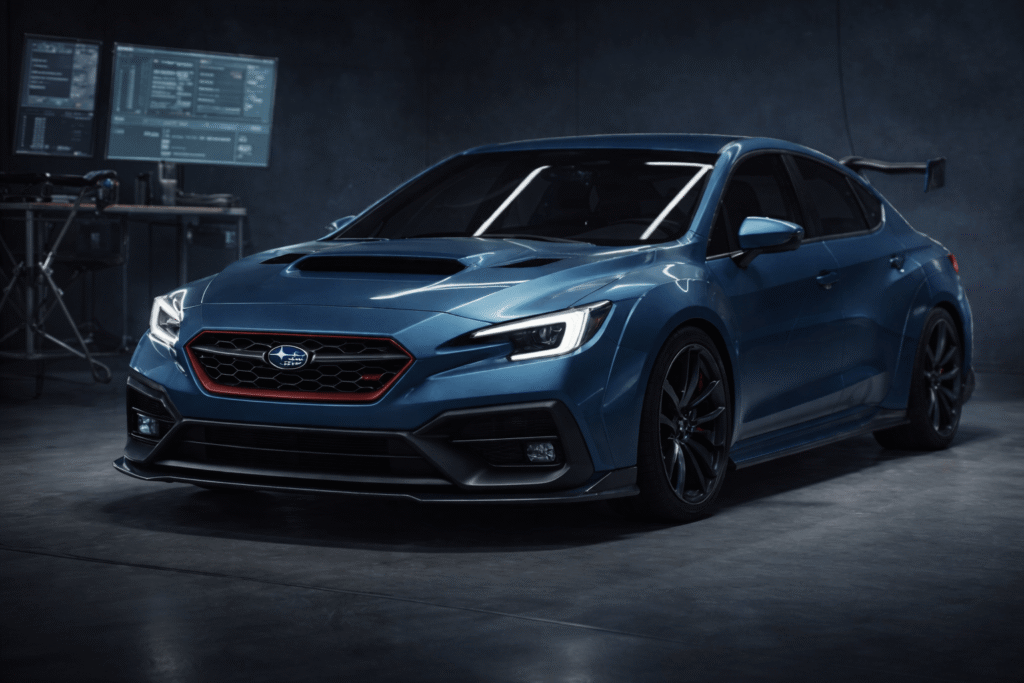
Upcoming models such as the Forester and Crosstrek are expected to benefit from the enhanced hybrid technology. There is also growing speculation that performance-oriented, STI-linked models could eventually receive hybrid-assisted boxer powertrains, balancing performance with modern efficiency standards.
Manufacturing Flexibility as a Competitive Advantage
To support this multi-path strategy, Subaru is upgrading its Yajima production plant to allow gasoline, hybrid, and electric vehicles to be built on a single flexible assembly line. This approach reduces manufacturing costs while enabling Subaru to adapt quickly to shifts in consumer demand.
A Balanced Path Forward
Subaru’s latest move signals a future built on balance rather than rapid electrification. By investing in hybrid technology and refining its core engine architecture, the brand is positioning itself to meet regulatory requirements while continuing to appeal to its loyal customer base.
As the automotive landscape continues to evolve, Subaru’s measured strategy highlights the importance of adaptability in an uncertain global market.
