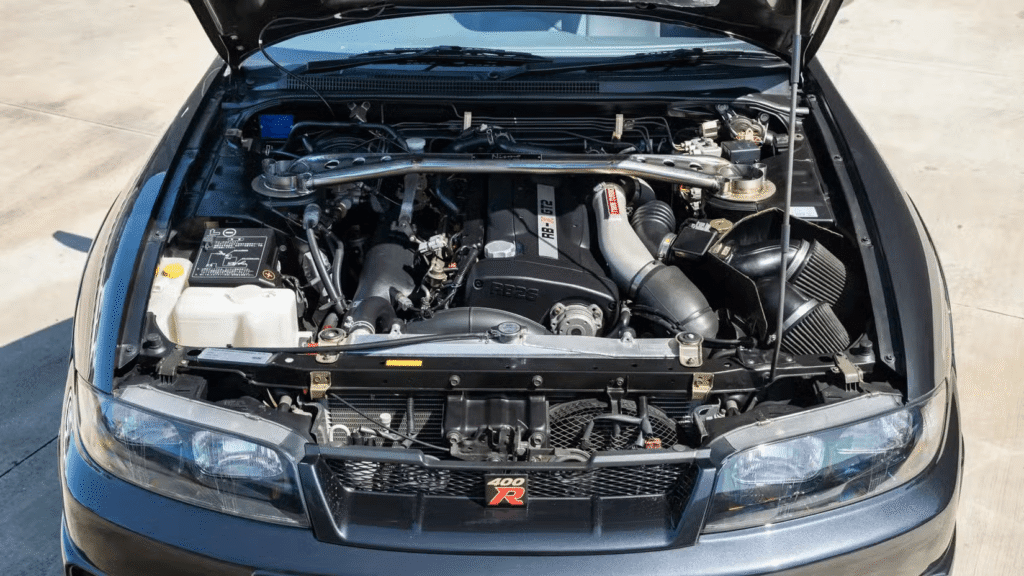
Every performance enthusiast remembers the golden era of Japanese sports cars. The 1990s delivered machines capable of incredible speed, mechanical durability, and driver involvement that still define the segment today. Among all those icons, only one factory-built Japanese sports car with a true manual gearbox earned the title of the fastest ever produced.
No automatics. No concept cars. No aftermarket builds. Just a genuine production vehicle, sold with a clutch pedal and twin turbos straight from the factory. To keep things fair, this comparison focuses on two simple benchmarks: verified factory top speed and real-world 0–60 mph acceleration. The result was a low-volume JDM-exclusive model that didn’t merely compete with European exotics — it quietly outpaced them.
This is the story of Japan’s fastest manual transmission legend.
The 186-MPH Legend Japan Wasn’t Supposed to Build
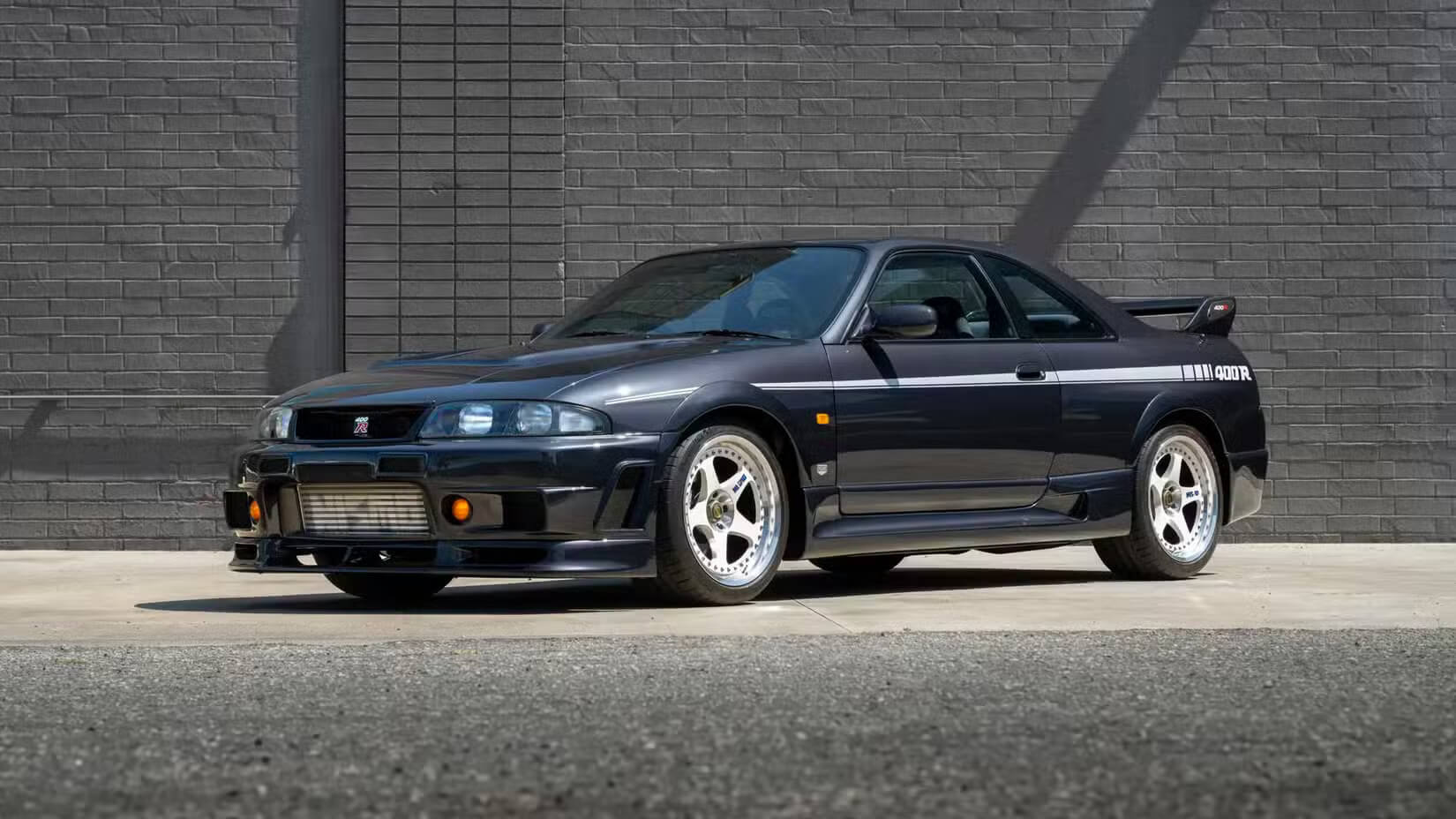
Nissan never planned for the Skyline GT-R to evolve into something as extreme as the NISMO R33 GT-R 400R. Yet in 1996, that’s exactly what happened. NISMO took the standard R33 platform and re-engineered it into a halo car that blurred the line between a road vehicle and a race machine.
The result was a hand-assembled performance monster producing 400 horsepower and 347 lb-ft of torque, capable of a verified 186 mph top speed and a 0–60 mph time of around 4.0 seconds. These figures alone made it the fastest manual Japanese sports car ever built.
At the heart of the 400R sat the RB-X GT2 engine — a 2.8-liter twin-turbo inline-six derived from the RB26DETT but upgraded everywhere that mattered. Forged internals, improved oiling, steel turbochargers, and higher durability components transformed it into a race-derived powerplant. This wasn’t a tuner special; it was a factory-developed engine created by engineers directly involved in Nissan’s motorsport programs.
Nissan officially approved the project, but NISMO built each example by hand. Only 44 units left the Omori Factory, each designed to homologate components for top-level Japanese touring car competition. Compared to a standard R33 GT-R, the 400R sat lower, ran wider tires, used lighter materials, and featured revised aerodynamics to improve cooling and high-speed stability. On the road, it behaved more like a street-legal GT race car than a conventional sports coupe.
NISMO R33 GT-R 400R Specifications
| Specification | Details |
|---|---|
| Engine | 2.8-liter twin-turbo inline-six (RB-X GT2) |
| Power | 400 hp |
| Torque | 347 lb-ft |
| Transmission | 5-speed manual |
| 0–60 mph | ~4.0 seconds |
| Top Speed | 186 mph |
| Weight | ~3,400 lbs |
| Layout | Front-engine, AWD |
| Production | 44 units |
The Yamaha OX99-11: The Prototype Too Fast for Its Time
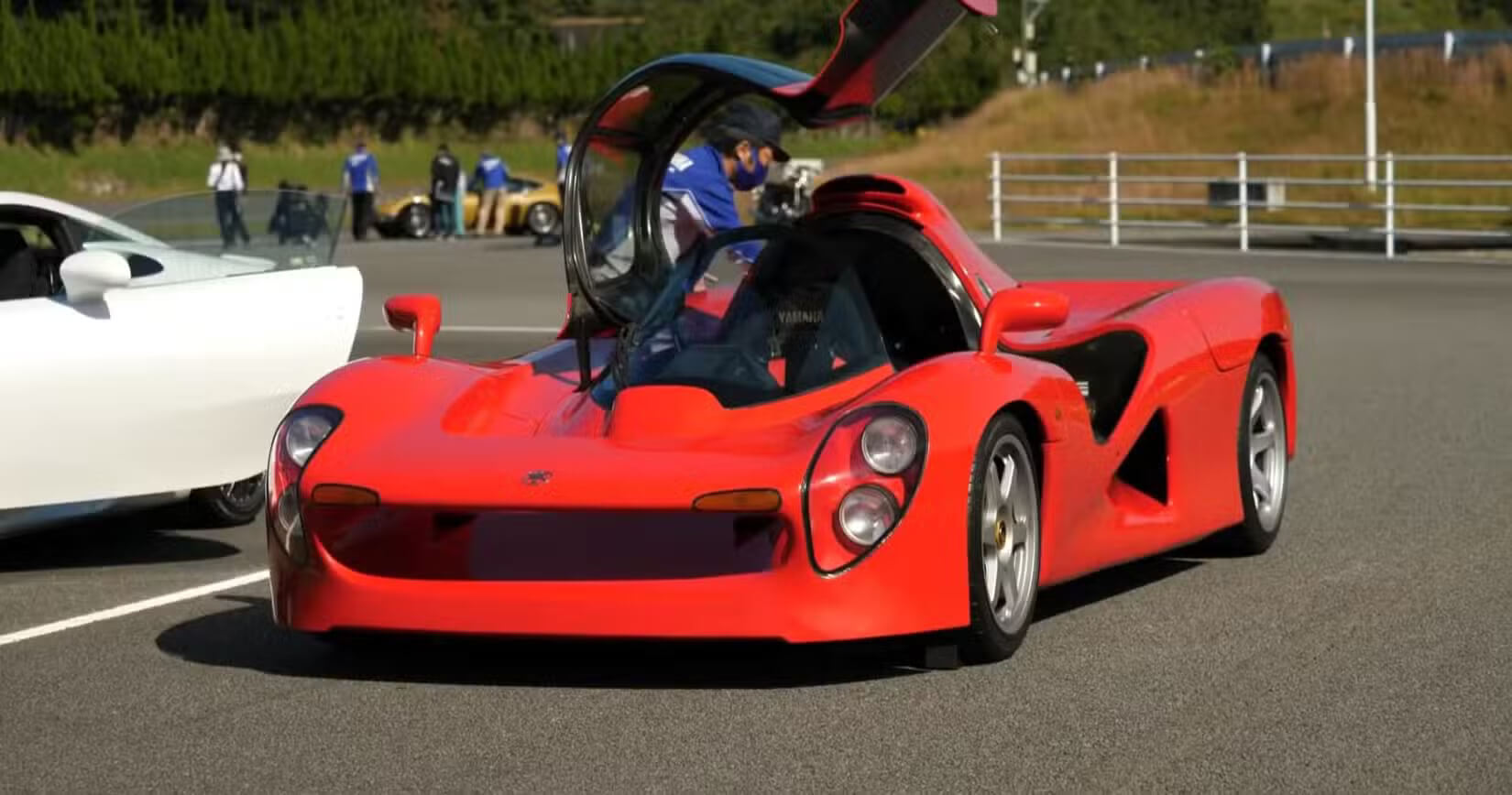
Before the Toyota Supra became Japan’s performance benchmark, Yamaha nearly introduced something far more radical. Revealed in 1992, the Yamaha OX99-11 was a Formula 1–inspired project featuring a carbon-fiber chassis and a mid-mounted V12 derived from Yamaha’s F1 program.
On paper, the numbers were astonishing: a 0–60 mph time of around 3.2 seconds and a claimed top speed exceeding 217 mph. Paired with a 6-speed manual transmission and tandem seating, the OX99-11 was designed more like a road-going race car than a traditional supercar.
Despite its potential, the project never reached production. Economic challenges in the early 1990s forced Yamaha to cancel the program after only a handful of prototypes were built. Because it never met production or homologation standards, the OX99-11 is excluded from official rankings — but it remains one of the most fascinating “what-ifs” in Japanese automotive history.
Why the 400R Outran Japan’s Other Manual Icons
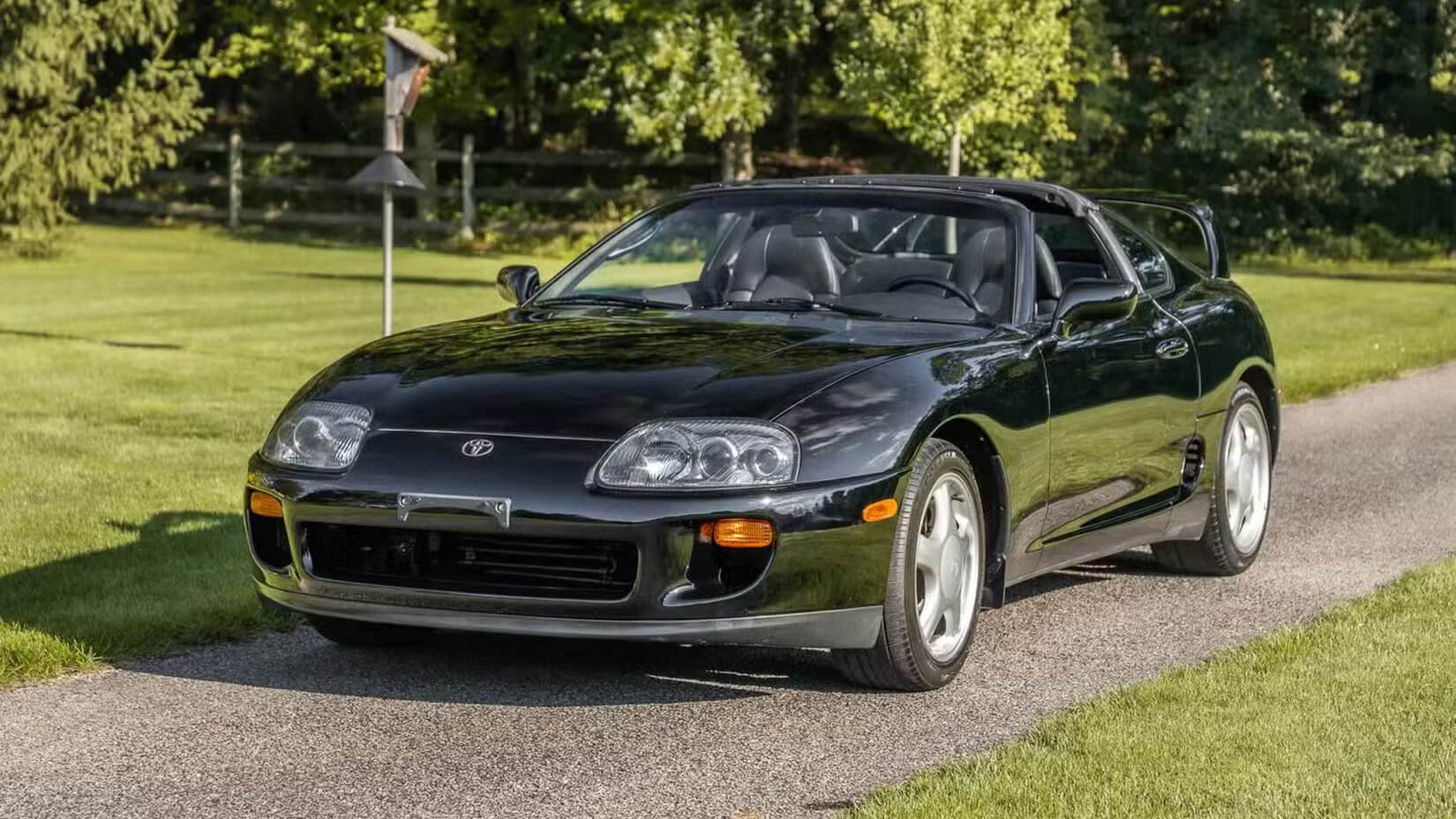
The NISMO GT-R 400R didn’t just outperform Japan’s legends — it clearly separated itself from them. The Toyota Supra Mk4 Twin Turbo, often considered the king of the era, delivered impressive performance with its 2JZ-GTE engine and 6-speed manual gearbox. Even when unrestricted, its top speed and acceleration fell short of the 400R’s verified figures.
The Honda NSX Type R took a different approach, relying on lightweight construction and naturally aspirated precision. While exceptional in handling balance, it lacked the outright high-speed capability of the turbocharged, AWD-equipped 400R.
Japan’s informal “Gentlemen’s Agreement” capped advertised power figures during this era, but the 400R ignored that convention entirely. Its 400-horsepower output was more than a specification — it was a statement. Combined with advanced all-wheel drive and wind-tunnel-tested aerodynamics, the 400R remained composed at speeds where most 1990s sports cars began to feel unsettled.
Even compared to modern manual performance cars, the 400R still holds its crown.
Numbers Don’t Lie: The 400R’s Competition
| Model | Top Speed | 0–60 mph | Transmission |
|---|---|---|---|
| NISMO GT-R 400R | 186 mph | ~4.0 s | 5-speed manual |
| Toyota Supra Mk4 TT | ~177 mph | ~4.6 s | 6-speed manual |
| Honda NSX Type R | ~168 mph | ~4.5 s | 6-speed manual |
The GT-R 400R as Peak NISMO Engineering
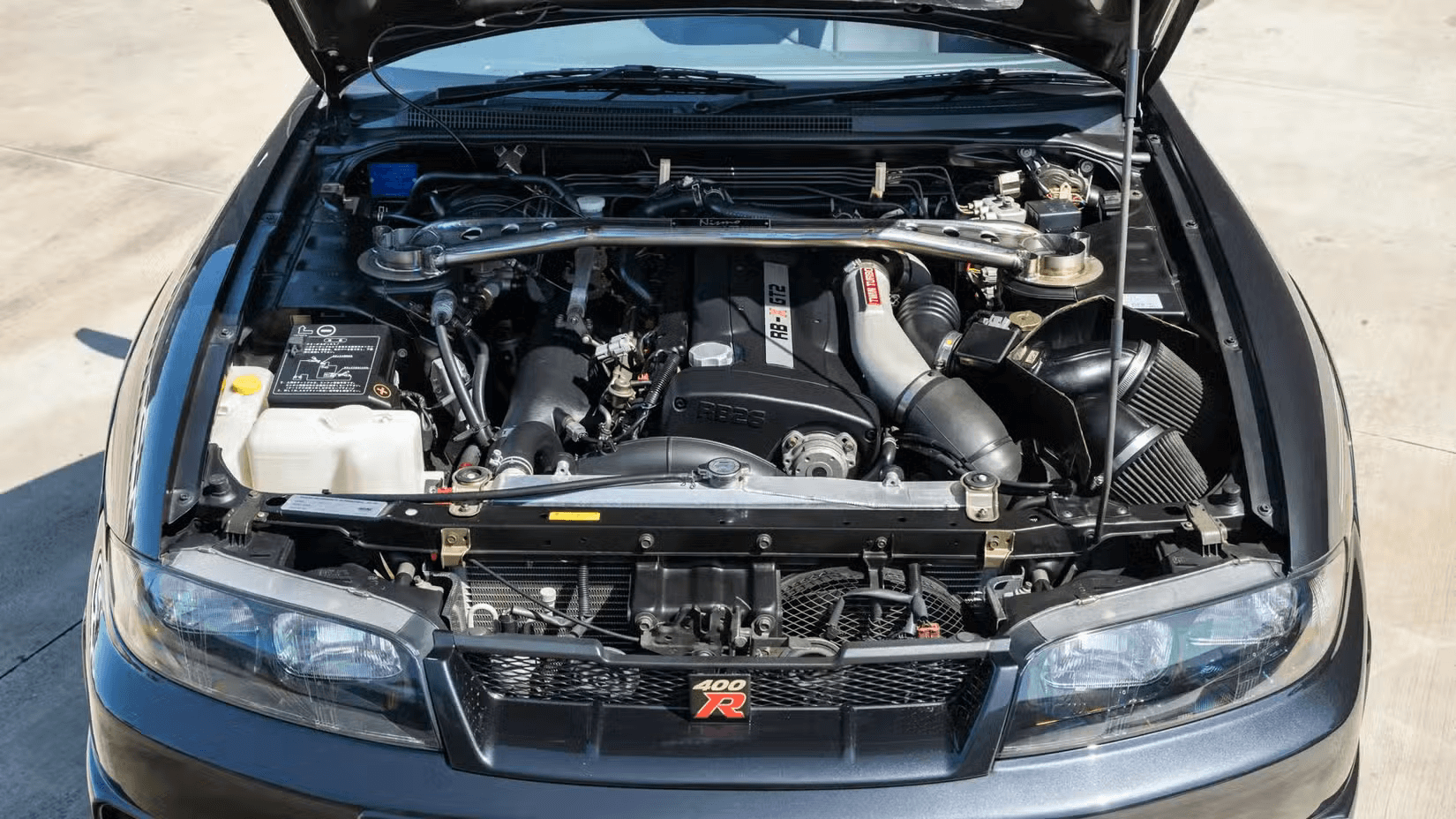
NISMO has long served as Nissan’s motorsport development arm, responsible for everything from touring car dominance to modern GT racing. The GT-R 400R was a direct product of that expertise.
Its RB-X GT2 engine featured reinforced internals, enhanced cooling, race-grade lubrication systems, and components designed for sustained high-RPM use. The chassis received stiffer suspension tuning, revised subframes, and aerodynamic refinements that provided exceptional stability at speed.
Unlike later performance models that moved toward automated transmissions and heavier platforms, the 400R remained purely mechanical. Three pedals, a manual gearbox, and a direct connection between driver and machine defined its character.
When Toyota and Nissan Went to War: Supra vs GT-R
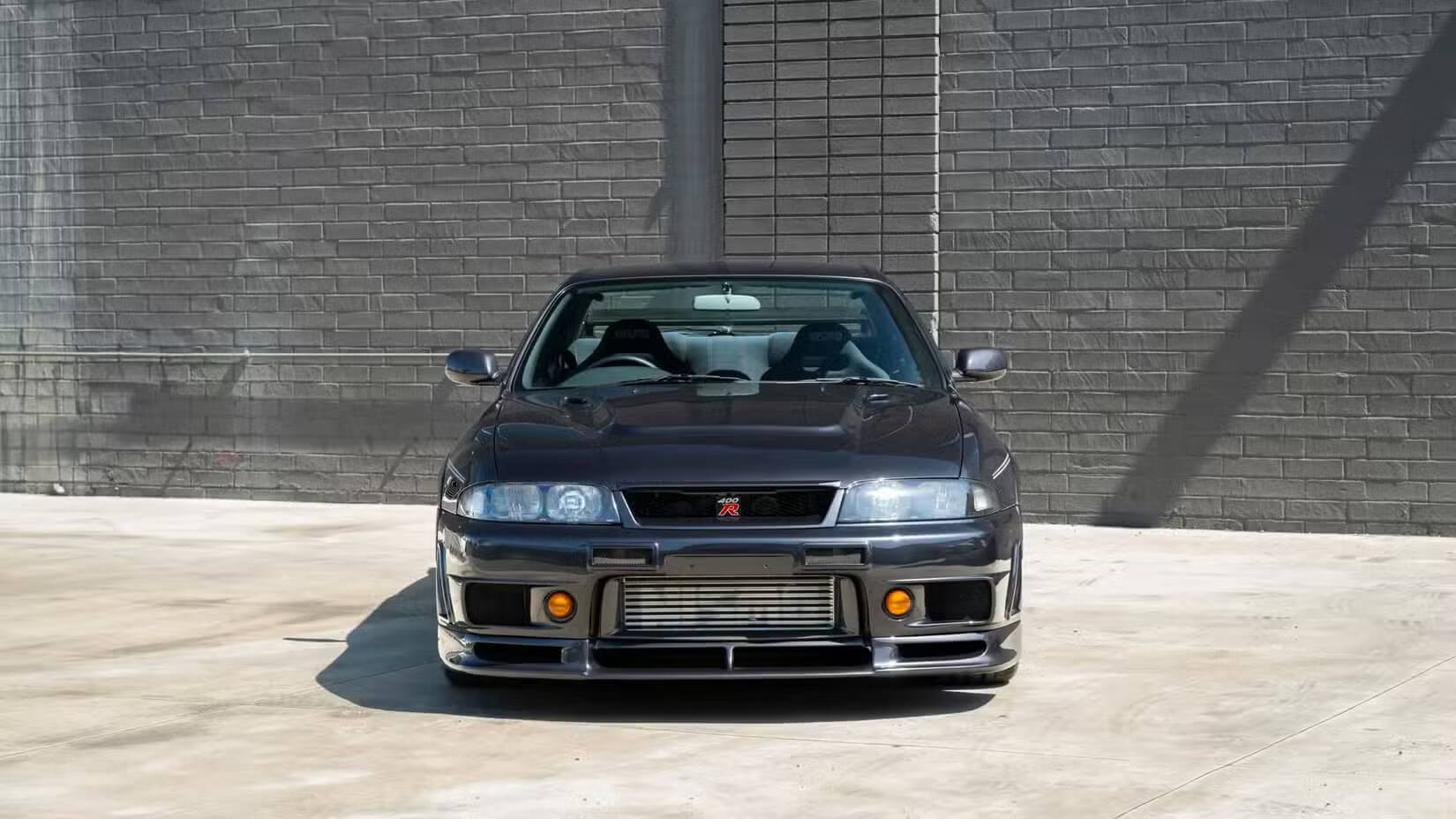
The rivalry between the Toyota Supra Mk4 and the Nissan GT-R defined an entire generation of Japanese performance engineering. The Supra emphasized balance and refinement, while the 400R pursued raw speed and high-speed composure.
Gear ratios, drivetrain layout, and aerodynamic philosophy separated the two approaches. While the Supra gained mainstream recognition and cultural fame, the 400R quietly achieved something more exclusive: absolute dominance in manual-transmission performance.
Today, the 400R Is a Million-Dollar Japanese Unicorn
With only 44 examples ever built, the NISMO GT-R 400R has become one of the most collectible Japanese performance cars in existence. Values have climbed into seven-figure territory for well-preserved examples, placing it among the rarest and most valuable vehicles to emerge from Japan’s golden era.
Collectors value it not just for rarity, but for what it represents — a moment when Japanese manufacturers pushed engineering boundaries without compromise. Modern performance cars may be faster on paper, but few deliver the same mechanical purity.
A Manual Legend That Still Stands Alone
The NISMO GT-R 400R was never supposed to exist. It ignored informal power limits, outran European rivals, and proved that a factory-built Japanese sports car with a manual transmission could reach extraordinary speeds without sacrificing reliability.
With three pedals, race-bred engineering, and a legacy rooted in motorsport, the 400R stands as the ultimate expression of analog Japanese performance — and remains the fastest manual Japanese sports car ever built.
