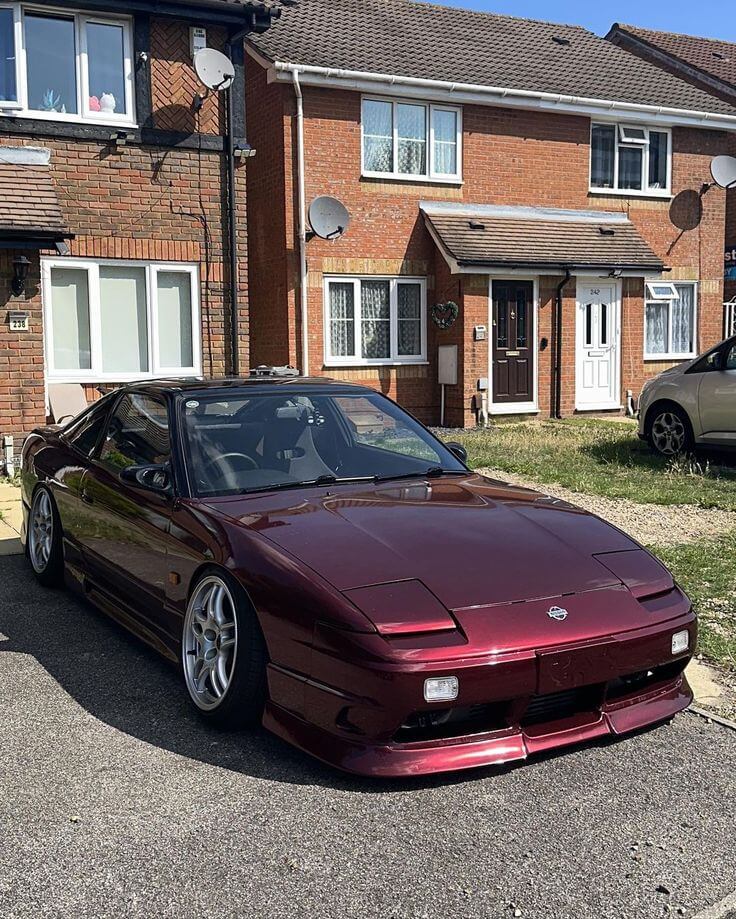
As automotive technology has advanced rapidly, many modern performance cars deliver impressive numbers on paper. However, when it comes to aging gracefully over time, classic JDM cars often stand out. Decades after their release, many Japanese performance models remain usable, desirable, and mechanically sound.
This is not coincidence — it is the result of thoughtful engineering and long-term design priorities.
Built With Longevity in Mind
During the peak era of JDM performance cars, manufacturers placed strong emphasis on durability. Engineers designed components to operate well within their limits rather than pushing them to extremes.
This approach resulted in:
-
Reduced mechanical stress
-
Longer service intervals
-
Components that tolerate wear better over time
As a result, many older JDM cars remain functional with original drivetrains still in service.
Simpler Technology, Fewer Failures
Older JDM cars rely far less on complex electronic systems than modern vehicles. While today’s cars benefit from advanced software, they also introduce new potential points of failure.
Classic JDM cars feature:
-
Minimal electronic assistance
-
Mechanical solutions over digital ones
-
Easier diagnostics and repairs
This simplicity allows them to remain reliable even as they age.
Conservative Performance Engineering
Instead of maximizing output figures, Japanese engineers focused on balanced performance. Engines, transmissions, and drivetrains were designed to handle more than their factory specifications demanded.
This conservative tuning helped:
-
Extend component lifespan
-
Maintain consistent performance
-
Reduce long-term maintenance issues
It is one of the key reasons these cars continue to perform well decades later.
Materials and Build Quality
Many classic JDM cars were produced during a period when manufacturers invested heavily in material quality. Interior components, chassis construction, and drivetrain parts were often built to higher durability standards than what is common today.
This attention to quality contributed to:
-
Interiors that age gracefully
-
Chassis that resist fatigue
-
Mechanical components that tolerate prolonged use
Modern Cars Face Different Priorities
Modern performance cars are built under strict regulations and competitive cost pressures. Efficiency, emissions, and production speed often take priority over long-term simplicity.
As a result, modern vehicles tend to:
-
Depend heavily on software
-
Use more integrated systems
-
Be harder to repair long-term
While highly capable, they may not age as gracefully as older designs.
Strong Aftermarket and Community Support
Another reason JDM cars age well is the strong global community surrounding them. Aftermarket manufacturers continue to develop replacement parts and upgrades that improve reliability without altering original character.
This support helps owners:
-
Keep cars roadworthy
-
Address aging components
-
Preserve original performance traits
Few modern cars benefit from such long-term enthusiast backing.
Emotional Value and Preservation
Owners of classic JDM cars often form strong emotional connections with their vehicles. This leads to better care, regular maintenance, and thoughtful upgrades.
Preservation becomes a priority rather than simple ownership, which contributes to longevity.
Conclusion
JDM cars aged better than many modern performance cars because they were engineered with balance, simplicity, and durability at their core. While technology has advanced, these classic vehicles prove that thoughtful engineering can stand the test of time.
Their continued presence on the road is not just nostalgia — it is evidence of a design philosophy that valued longevity as much as performance.
